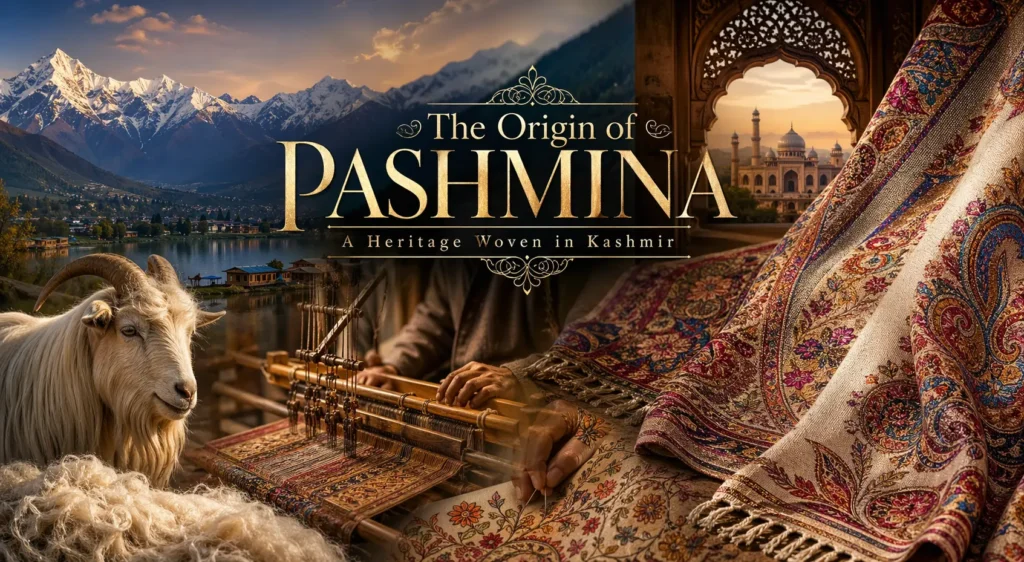
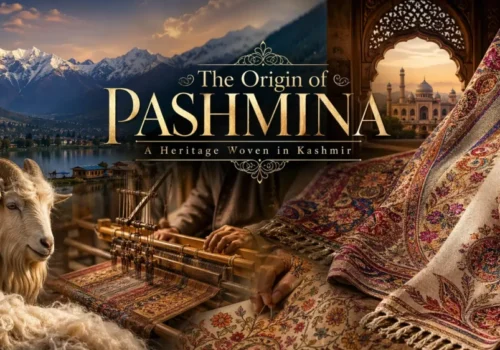
The journey of the Pashmina shawl is a timeless story woven with heritage, artistry, luxury, and tradition. Born in the breathtaking valleys of Kashmir and the high-altitude landscapes of Ladakh, Pashmina is far more than just a fabric — it is a cultural treasure passed down through generations.
Renowned worldwide for its extraordinary softness, warmth, lightweight feel, and elegant craftsmanship, the Pashmina shawl has adorned emperors, royalty, dignitaries, and fashion lovers for centuries. Every authentic Pashmina carries the soul of the Himalayas and reflects the patience, skill, and dedication of countless artisans who transform delicate fibres into timeless masterpieces.
From the icy winds of the Changthang plateau to the rhythmic sounds of traditional Kashmiri handlooms, the journey of a Pashmina shawl is one of craftsmanship, perseverance, and enduring beauty.
The Origin of Pashmina
The word Pashmina originates from the Persian word Pashm, meaning “soft gold” or “fine wool.” The luxurious fibre comes from the undercoat of the rare Changthangi or Chyangra goats found in the Himalayan regions of Ladakh at elevations above 14,000 feet.
To survive the extreme winter temperatures, these goats naturally grow an ultra-soft undercoat beneath their outer hair. This fine fleece is what eventually becomes the world-famous Pashmina wool.
For over 700 years, Kashmiri artisans have mastered the art of crafting Pashmina shawls, preserving techniques that continue to define luxury textiles today.
The Making of Pashmina
Creating a genuine Pashmina shawl is a slow and intricate process that involves numerous stages, each requiring exceptional skill and patience.
The Procedure
The Selection of Fine Fibre
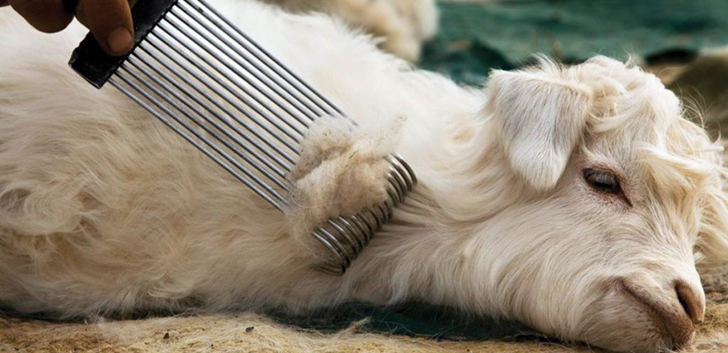
The journey begins with the careful collection of raw Pashmina fibre from Chyangra goats during the spring moulting season. Unlike commercial wool extraction methods, the fibre is gently hand-combed to maintain its softness and natural quality.
Experts carefully sort and select only the finest fibres based on texture, softness, and micron count. Ethical sourcing is deeply respected, ensuring no harm comes to the animals during the process.
This stage alone determines the quality and luxury of the final shawl.
Cleaning and Dehairing
Once collected, the raw wool undergoes a meticulous cleaning process to remove dust, coarse hair, and impurities. The delicate undercoat is separated from rough outer fibres through traditional hand-dehairing techniques.
This labor-intensive process ensures that only the softest and finest Cashmere fibre is used in authentic Pashmina weaving.
Hand Spinning the Yarn
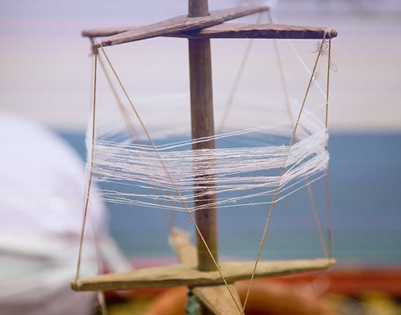
The cleaned fibre is then hand-spun into fine yarn using traditional wooden spinning wheels locally known as Yinder.
This process requires tremendous skill because Pashmina fibres are extremely delicate and fragile. Artisans carefully maintain consistency while spinning, preserving the softness and lightweight texture of the yarn.
The hand-spun nature of authentic Pashmina gives it a unique texture and natural character impossible to replicate by machines.
Preparing the Yarn
The yarn is wound onto small wooden reels using tools such as the Parota. To improve durability and weaving strength, a natural starch or adhesive known as Saresh is applied during the sizing process.
The wrapping and preparation of the yarn are entirely manual, often creating slight irregularities in tension — a hallmark of genuine handmade craftsmanship.
The Weaving Process
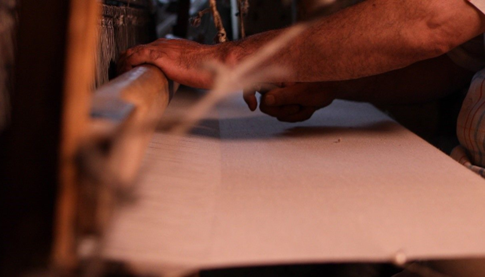
Authentic Pashmina is woven manually on traditional wooden handlooms. Since Cashmere is an exceptionally delicate fibre, machine processing can damage its softness and structure.
Skilled artisans spend days carefully weaving the hand-spun yarn into luxurious shawls. Depending on the design and intricacy, completing a single Pashmina shawl may take anywhere from several days to several weeks.
Each weave carries generations of expertise and artistic precision.
Natural Dyeing
Traditional Pashmina shawls are often dyed using natural or eco-friendly dyes to preserve the softness and purity of the fibre. From earthy neutrals to vibrant royal shades, the dyeing process requires careful handling to maintain the luxurious texture of the fabric
The Art of Hand Embroidery
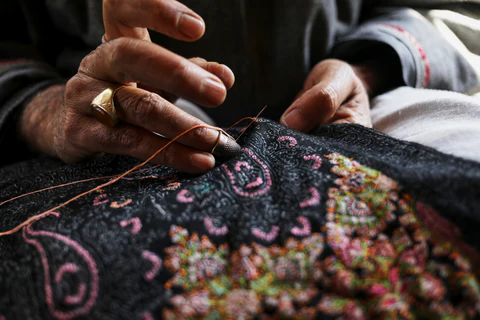
Many premium Pashmina shawls are further enhanced with intricate hand embroidery, including the famous Kashmiri Sozni, Tilla, and Papier-Mâché inspired motifs.
These delicate floral and paisley patterns are embroidered entirely by hand, sometimes taking months to complete. The embroidery reflects the artistic heritage of Kashmir and adds extraordinary beauty and value to the shawl.
Washing and Finishing
After weaving and embroidery, the shawls undergo gentle washing and finishing processes. The fabric is softened, brushed, and refined to achieve the signature warmth, elegance, and silky feel that authentic Pashmina is celebrated for worldwide.
Every finished shawl is individually inspected to ensure exceptional quality.
The Living Heritage of the Changpa Tribe
The foundation of the entire Pashmina industry lies with the Changpa tribe — semi-nomadic herders living in the remote Changthang region of Ladakh.
Despite extreme climatic conditions and limited access to modern facilities, the Changpa people have preserved this ancient tradition for centuries. Their close relationship with the Chyangra goats forms the backbone of authentic Himalayan Pashmina production.
Their lifestyle, resilience, and dedication are deeply connected to the legacy of Pashmina craftsmanship.
Pashmina in Royal History
Pashmina shawls gained immense popularity during the Mughal era, where they became symbols of royalty and prestige. Emperors and noble families treasured these shawls for their unmatched elegance and softness.
Later, Pashmina found admiration across Europe and the Middle East, becoming a luxury statement among aristocrats and fashion icons.
Even today, authentic Pashmina remains one of the world’s most prestigious handmade textiles.
Why Pashmina is So Expensive
Authentic Pashmina shawls are valuable because of the rare fibre, skilled craftsmanship, and time-intensive process involved in their creation.
From collecting fine undercoat fibres to hand-spinning, weaving, embroidery, and finishing, every step is performed manually by experienced artisans.
A single authentic Pashmina shawl can take weeks or even months to complete, making each piece unique and irreplaceable.
5 Things to Know About Authentic Pashmina
1. Made from 100% Cashmere
Original Pashmina shawls are crafted entirely from pure Cashmere wool sourced from Himalayan goats. Authentic sellers proudly mention the fibre composition and craftsmanship.
2. Ultra-Fine Fibre Diameter
Real Pashmina fibres measure around 15–19 microns in diameter, making them finer than human hair. This ultra-fine texture gives Pashmina its luxurious softness and feather-light feel.
3. Slightly Uneven Weave
Since authentic Pashmina is hand-spun and handwoven, minor irregularities are natural. These imperfections are proof of genuine handmade artistry and cannot be replicated by machines.
4. Static Electricity Test
Synthetic fabrics create noticeable static electricity when rubbed together. Genuine Pashmina, being a natural animal fibre, produces very little static.
5. Authentic Labeling
Real Pashmina shawls usually feature stitched labels mentioning the fibre composition and origin. Labels attached with glue are often signs of imitation products.
Caring for a Pashmina Shawl
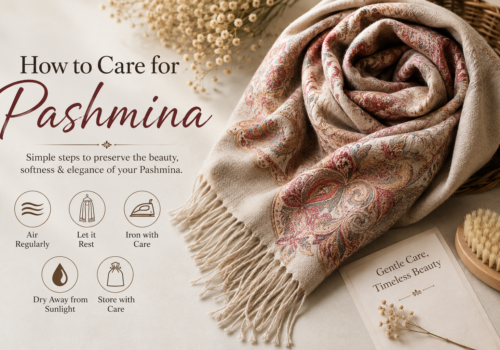
Authentic Pashmina requires delicate care to preserve its beauty and softness for generations.
Store it folded in a soft cotton or muslin bag.
Avoid hanging the shawl for long periods.
Dry clean or gently hand wash only when necessary.
Keep away from direct sunlight and moisture.
Avoid harsh perfumes or chemicals directly on the fabric.
With proper care, a genuine Pashmina shawl can last for decades.
A Timeless Symbol of Luxury
Pashmina is not simply a shawl — it is a story of heritage, craftsmanship, patience, and elegance woven into every thread.
Each authentic Pashmina represents centuries of tradition, the artistry of Kashmiri craftsmen, and the resilience of Himalayan communities. Its unmatched softness, warmth, and beauty continue to make it one of the most treasured luxury textiles in the world.
Owning a genuine Pashmina shawl means embracing a timeless legacy of culture, authenticity, and refined sophistication.